Dress with Confidence: How to Use Clothing to Create Recognition in Everyday Life

Dress with Confidence: How to Use Clothing to Create Recognition in Everyday Life
Clothing isn’t just about fashion or following trends—it’s a language we use to express who we are. In a world full of choices, changes, and constant movement, what we wear can serve as an anchor that brings comfort and consistency. When you dress in a way that feels authentically “you,” it becomes easier to face the day with calm and confidence. Here’s how you can use clothing as a tool to create recognition and stability in your everyday life.
Why Recognition Matters
Recognition in the way you dress isn’t about wearing the same outfit every day—it’s about finding a style that feels natural and cohesive. When you know what you feel good in, you save energy on daily decisions and avoid the sense of “dressing up” as someone else.
From a psychological perspective, familiarity provides a sense of control and continuity. This can be especially valuable during times of change—starting a new job, moving to a new city, or navigating a new life stage. Your clothing becomes a quiet reminder of who you are and what you stand for.
Læs også:



Find Your Personal Uniform
The word “uniform” might sound restrictive, but a personal uniform can actually be freeing. It’s about identifying a set of core pieces that you always feel comfortable and confident in—and that you can adapt for different situations.
- Start with what you already love. Look through your closet and notice the pieces you wear most often. What do they have in common? Colors, cuts, fabrics?
- Build from a base. Once you know your favorites, add a few well-chosen items that fit seamlessly into your existing wardrobe.
- Think in contexts. You might have one “uniform” for work and another for weekends—the key is that both feel like you.
A personal uniform makes getting dressed easier and sends a clear message of authenticity and stability to the world around you.
Colors and Fabrics That Feel Right
Colors influence both mood and perception. Some people feel most at home in soft neutrals, while others thrive in bold, vibrant tones. It’s not about what’s “right” in fashion—it’s about what feels right for you.
- Neutral colors like gray, navy, beige, and black create calm and are easy to mix and match.
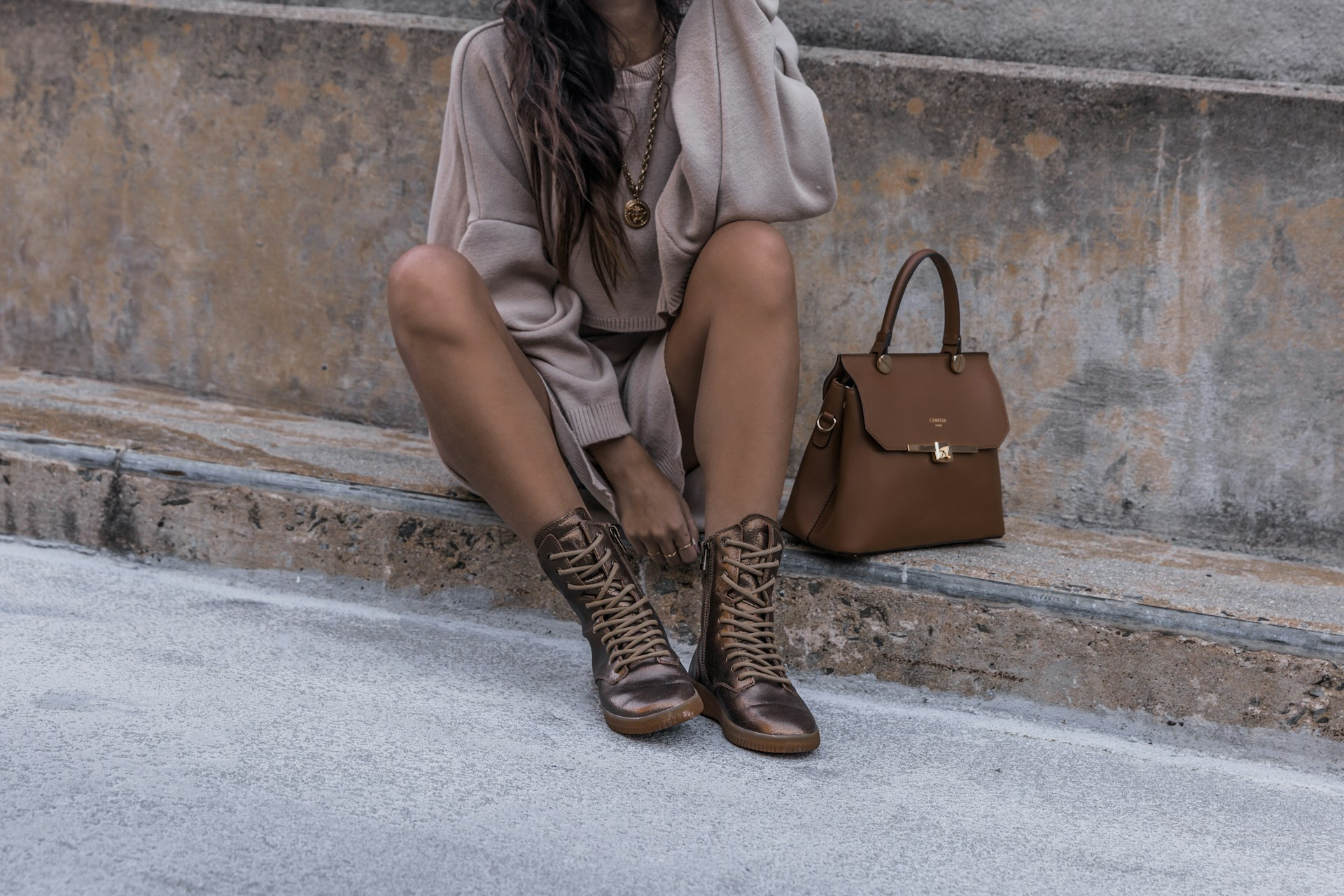
- Warm colors like red, brown, and rust can add energy and warmth to your look.
- Cool colors like blue and green bring a sense of balance and serenity.
Fabrics matter, too. Natural materials like cotton, wool, and linen often feel more comfortable and last longer. When your clothes feel good on your skin, it’s easier to feel good in them.
Create Recognition Through Details
Small details can make a big difference. A signature watch, a favorite pair of shoes, a hairstyle, or a particular color can become part of your personal signature. These are the elements that others come to associate with you—and that you can find comfort in yourself.
Think about which details matter most to you. Maybe it’s a certain shade you always return to, or a way of layering clothes that feels uniquely yours. When you choose these details intentionally, your style becomes more consistent and authentic.
Refreshing Your Wardrobe
Even the most well-curated wardrobe needs a refresh now and then. But instead of starting from scratch, build on what already works. Ask yourself:
- What do I actually wear most often?
- Which pieces no longer feel like me?
- What would make my daily routine easier?
By thinking in terms of the whole wardrobe rather than impulse buys, you can create a collection that’s both sustainable and true to your personal style.
Clothing as Everyday Comfort
When you wear something that feels right, your clothes become a quiet source of support. They help you move through the day with ease because you’re not trying to “fit in”—you already belong in your own expression.
In the end, dressing with recognition is about self-knowledge. It’s not about fashion—it’s about identity. When you find that balance, your closet becomes more than a place to store clothes—it becomes a space where you can reconnect with yourself, every single day.
Læs også: