Clothing as Language: Use Your Style to Show Who You Are


Clothing as Language: Use Your Style to Show Who You Are
Clothing is more than fabric and seams – it’s a language we all speak, whether we realize it or not. Every morning, we make choices about how to present ourselves to the world, and those choices say something about who we are and how we want to be seen. Your style can express your personality, values, and mood – and it can evolve as you do.
Here’s how you can use your wardrobe as a tool for self-expression and confidence.
Clothing as Identity and Communication
When you get dressed, you’re sending messages – both to others and to yourself. A tailored blazer might make you feel professional and focused, while a vintage band tee can show creativity and individuality. Clothing can signal belonging, but it can also help you stand out.
Research in fashion psychology shows that what we wear affects how we think and feel – a concept known as “enclothed cognition.” When you wear something that feels right for you, you often carry yourself with more confidence and authenticity.
Finding Your Personal Style
Finding your style isn’t about chasing trends; it’s about discovering what feels genuine. Start by noticing which outfits make you feel most comfortable and confident. Do you gravitate toward classic cuts, relaxed fits, or bold patterns?
Think about the words you’d like your style to communicate – maybe “creative,” “strong,” “easygoing,” or “polished.” Use those words as a guide when choosing what to wear.
A helpful trick is to take photos of outfits you love and look for patterns. This can help you build a wardrobe that reflects who you are, rather than one filled with random purchases.
Læs også:

Colors, Shapes, and Textures – Your Visual Vocabulary
Colors, shapes, and materials are like the words in your clothing language. They create mood and meaning.
- Colors: Dark tones like navy or charcoal suggest calm and authority, while bright shades like yellow or red express energy and openness.
- Shapes: Loose silhouettes can feel relaxed and artistic, while structured lines convey focus and professionalism.
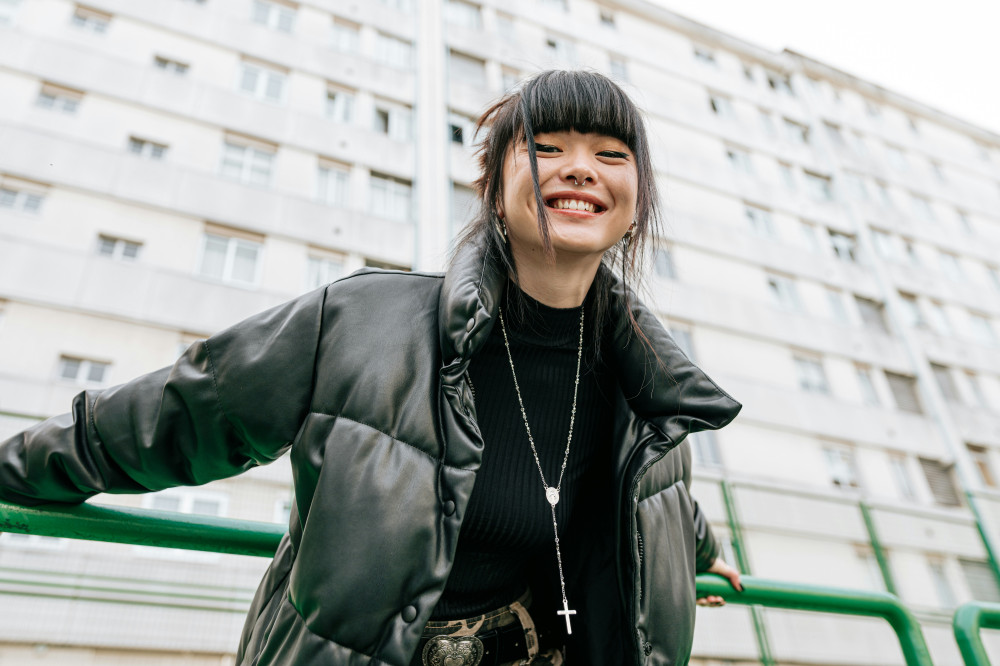
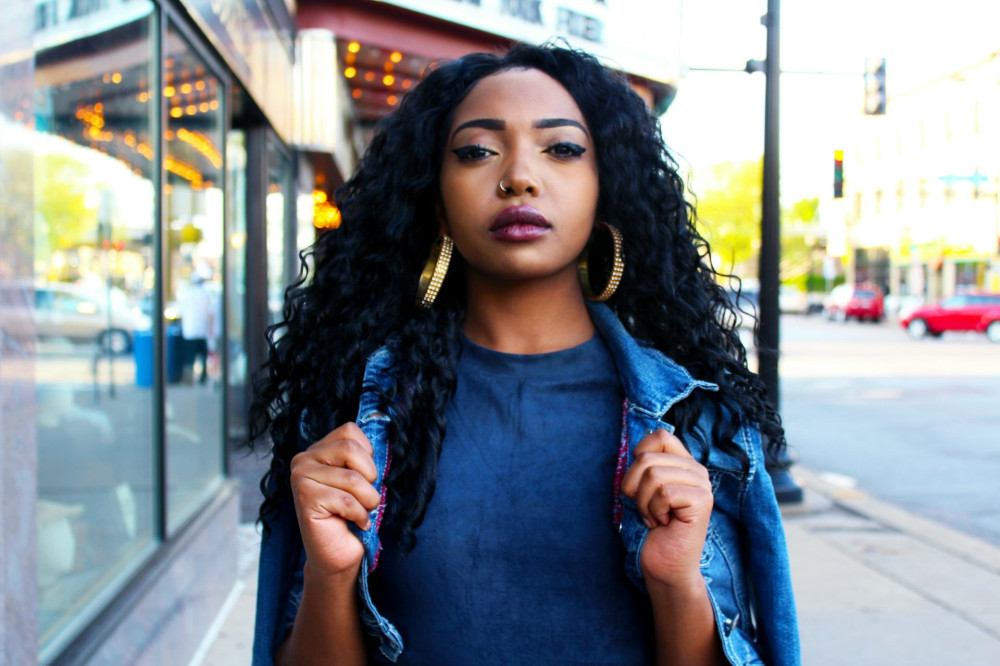
- Textures: Cotton and denim feel natural and grounded, while silk or leather can add a touch of luxury or edge.
By mixing these elements, you can create looks that fit both your personality and the moment you’re in – whether that’s a day at the office, a weekend brunch, or a night out.
Style as Growth and Change
Your style doesn’t have to stay the same. It can – and should – evolve as your life changes. Maybe you’ve started a new job, moved to a new city, or discovered new interests, and suddenly your old wardrobe doesn’t feel like you anymore. That’s perfectly normal.
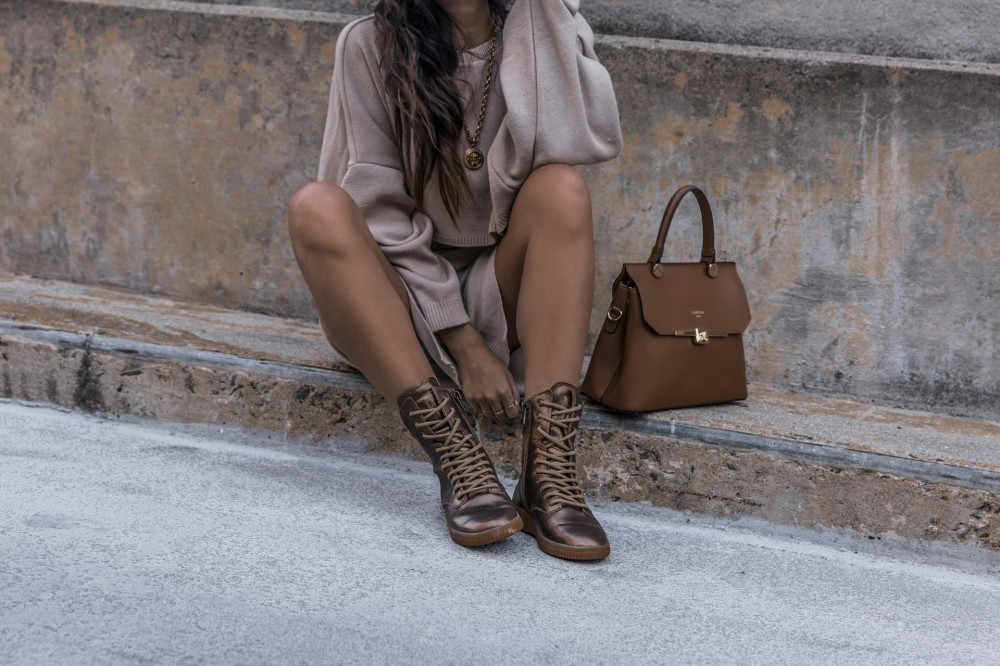
See it as a chance to reinvent yourself. Try new colors, silhouettes, or accessories, and notice how they make you feel. Sometimes a small change – a new jacket, a pair of shoes, or a statement piece of jewelry – can make a big difference.
When Clothing Becomes Part of Your Story
Clothing can hold memories. A jacket from a special trip, a dress from a milestone event, or a hand-me-down from a loved one can carry emotional meaning. These pieces tell stories about who you’ve been and what you’ve experienced.
By mixing old and new, you can create a style that honors both your past and your present. It also makes your wardrobe more personal – and more sustainable.
Dress for Yourself – Not for Others
In a world of fast-changing trends and social media influence, it’s easy to feel pressure to dress a certain way. But the most authentic style is the one that feels true to you. When you dress for yourself, your clothes become a form of self-expression, not a disguise.
Using clothing as language is ultimately about authenticity. It’s not about impressing others – it’s about communicating honestly who you are, without saying a word.
Læs også: