Create Calm in Your Closet – Colors, Materials, and Layout That Inspire

Create Calm in Your Closet – Colors, Materials, and Layout That Inspire
A closet is more than just a place to store clothes. It’s where your day begins and ends — a space that can bring calm, clarity, and inspiration. When colors, materials, and layout work together, your closet becomes not only functional but also a source of everyday serenity. Here’s how to design a closet that feels balanced, beautiful, and uniquely yours.
Start by Creating Clarity
Before thinking about design details, start with order. A peaceful closet begins with a clear overview. Take everything out and sort your clothes into categories: what you wear often, what you rarely use, and what you can donate or sell. When you keep only what you truly wear and love, it becomes easier to create a system that makes sense.
Think about your daily routine. Should work clothes be front and center? Do you want a separate section for special occasions? A logical layout makes it easier to find what you need — and helps you start your mornings with less stress.
Colors That Soothe and Connect
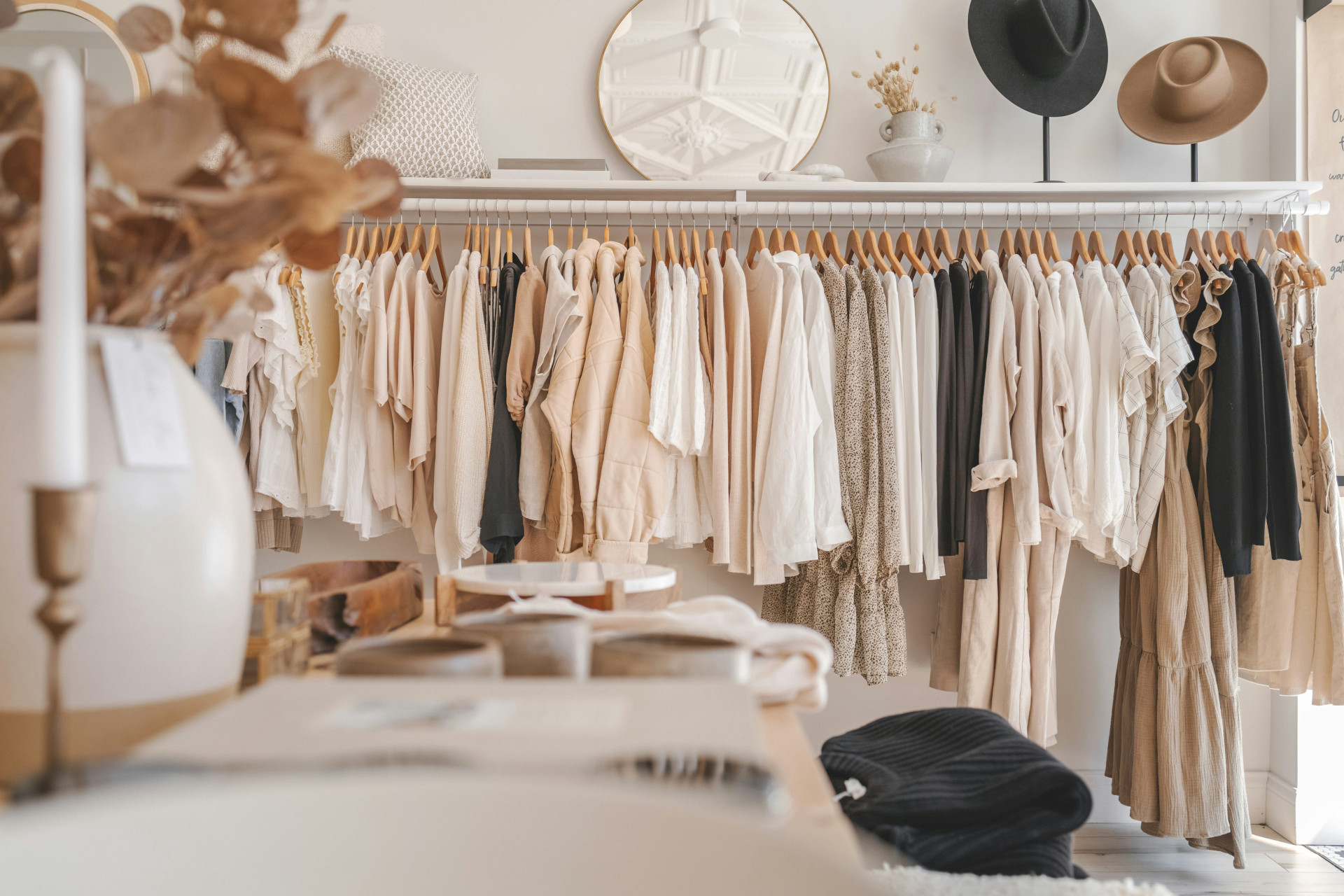
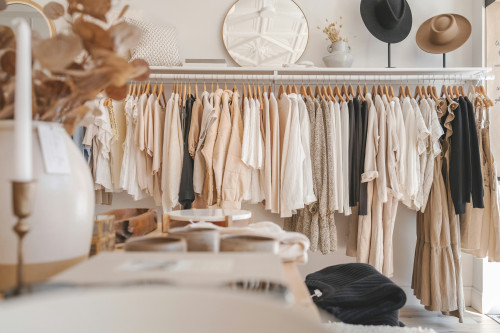
Color has a powerful effect on mood and perception. In your closet, use color intentionally to create calm and cohesion. Soft neutrals like white, beige, gray, and warm taupe provide a clean, balanced backdrop. They let your clothing stand out without overwhelming the space.
If you want a touch of personality, add color through details — storage bins, hangers, or drawer liners. Keeping a consistent color palette throughout your closet makes it look more organized, even when it’s full of different styles and fabrics.
A simple but effective trick is to group clothes by color. It gives you a visual overview and makes outfit planning easier. Plus, it creates a sense of calm every time you open the door.
Materials That Add Warmth and Texture
The materials you choose set the tone for your closet’s atmosphere. Wood, bamboo, and natural fabrics bring warmth and softness, while metal and glass create a sleek, modern look. Mixing textures can strike a balance between functionality and comfort.
Consider how materials feel to the touch. A woven basket for accessories, a soft fabric bag for shoes, or wooden hangers instead of plastic ones can make daily routines more pleasant. It’s not just about appearance — it’s about creating a tactile sense of quality and calm.
Læs også:


Layout That Encourages Order
A well-organized closet makes the most of every inch. Use shelves, drawers, and hanging space strategically so everything has its place. Hang items that wrinkle easily and fold those that don’t. Matching hangers can make a surprisingly big difference in creating a cohesive look.
Small details can simplify your mornings: a tray for jewelry, a hook for handbags, or a drawer divider for socks and undergarments. If space allows, add a small bench or mirror to make the area more inviting and functional.
Think in zones — one for each season, one for each clothing type, or one for each family member. Zoning helps maintain order and makes it easy to find what you’re looking for.
Light and Scent – The Overlooked Elements
Lighting plays a major role in how your closet feels. Good, neutral lighting helps you see colors accurately and gives the space a clean, fresh look. If possible, add a small lamp or motion-activated LED strips that turn on when you open the door.
Scent is another subtle but powerful element. A sachet, cedar block, or a few drops of essential oil can keep your closet smelling fresh and inviting. These small touches make the space feel more personal and pleasant — a place you actually enjoy spending time in.
A Closet That Brings Calm to Everyday Life
When colors, materials, and layout come together, your closet becomes more than storage — it becomes a space that inspires calm and confidence. It’s not about perfection, but about creating a place where you can start and end your day with ease.
A thoughtfully organized closet is an investment in your daily well-being. It saves time, reduces stress, and gives you a sense of control — all starting with something as simple as how you store your clothes.
Læs også: