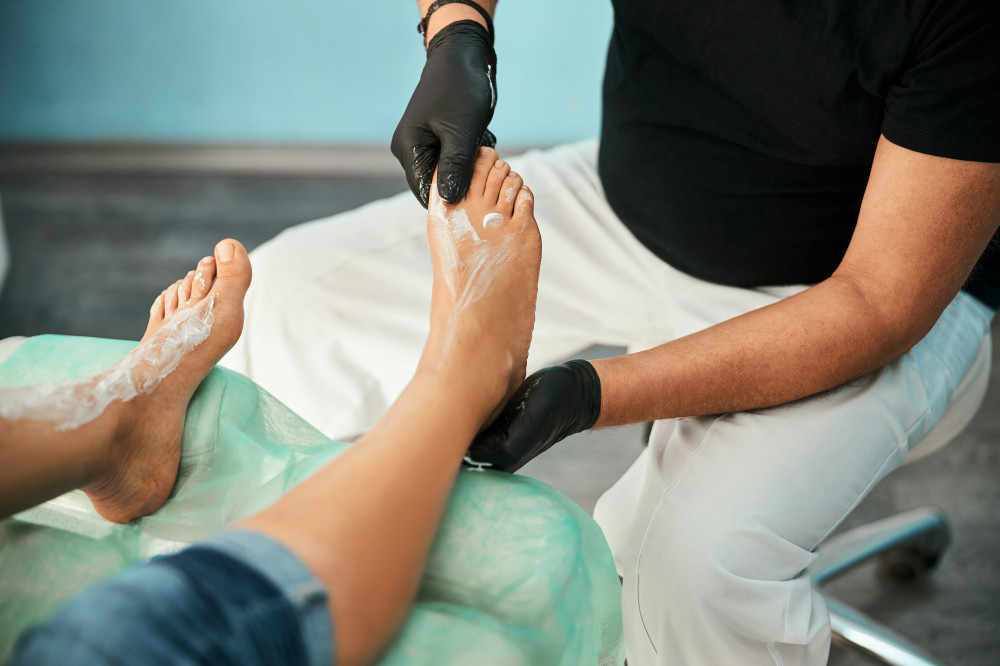
Know Your Feet: Create a Routine That Detects Foot Problems Early


Know Your Feet: Create a Routine That Detects Foot Problems Early
Our feet carry us through every step of life, yet they rarely get the attention they deserve. It’s often not until pain, swelling, or calluses appear that we realize how much our feet matter to our comfort and mobility. A simple daily routine can make a big difference—both in preventing problems and catching them early. Here’s how to get to know your feet and keep them healthy.
Why Foot Care Matters More Than You Think
Each foot contains 26 bones, 33 joints, and more than 100 muscles, tendons, and ligaments. They work constantly to support your body, absorb shock, and keep you balanced. Despite this, feet are often overlooked in daily self-care.
Minor issues like dry skin, corns, or sore heels can turn into bigger problems if ignored. For people with diabetes, arthritis, or poor circulation, even a small cut can lead to serious complications. That’s why it’s important to notice changes early—and that starts with paying attention.
Build a Simple Daily Routine
Caring for your feet doesn’t have to take long. Just a few minutes a day can help keep them healthy and comfortable.
- Wash and dry thoroughly – Use warm water and mild soap. Be sure to dry carefully between your toes to prevent fungal infections.
- Inspect your skin – Look for cracks, calluses, discoloration, or sores. Use a mirror or ask for help if you can’t easily see the bottoms of your feet.
- Moisturize – Apply a foot cream or lotion to keep skin soft and prevent dryness. Avoid putting lotion between your toes, where moisture can lead to fungus.
- Trim nails properly – Cut nails straight across and avoid rounding the corners too much to reduce the risk of ingrown toenails.
- Wear supportive shoes – Choose shoes that fit well, allow your toes to move freely, and are made from breathable materials.
By making this routine part of your day, you’ll quickly notice when something feels or looks different.
Know the Warning Signs—and Act Early
Your feet often give early warning signs when something’s wrong. Pay attention to:
- Pain or swelling that doesn’t go away after a few days
- Redness, warmth, or sores that don’t heal
- Changes in shape or alignment of toes or joints
- Numbness or tingling, which may signal nerve issues
- Discolored or thickened nails, which can indicate fungal infection
The sooner you respond, the easier it is to treat the problem—and prevent it from getting worse.
Footwear and Everyday Habits
Many foot problems start with the wrong shoes. High heels, narrow toe boxes, or completely flat soles can strain your feet and lead to calluses, bunions, or heel pain. Choose shoes that match your foot type and activity level.
If possible, switch shoes during the day to give your feet a break. Insoles or orthotics can provide extra support if needed. And don’t forget your socks—cotton or moisture-wicking materials help keep feet dry and odor-free.
When to Seek Professional Help
Even with good care, some issues require expert attention. A podiatrist can help with corns, ingrown nails, heel pain, or advice on proper footwear and orthotics.
If you have diabetes, schedule regular foot exams—at least once a year, or more often if recommended by your healthcare provider. The same goes for anyone with circulation problems or a history of foot ulcers.
Læs også:




Make Foot Care a Natural Part of Your Day
Knowing your feet isn’t just about avoiding pain—it’s about maintaining mobility, balance, and quality of life. When foot care becomes a natural part of your daily routine, you’ll be more likely to spot small changes before they turn into big problems.
So next time you take off your shoes, take a moment to look at, feel, and care for your feet. They work hard for you every day—and they deserve a little attention in return.
Læs også: