Goodbye to Dry Heels: Effective Products for Rough and Sensitive Skin


Goodbye to Dry Heels: Effective Products for Rough and Sensitive Skin
Dry, cracked heels are a common issue—especially during winter or for those who spend a lot of time in sandals or on hard floors. The skin on your heels is thicker than elsewhere on your body, and when it loses moisture, it can become rough, flaky, and even painful. Fortunately, there are plenty of effective products and simple routines that can help restore softness and comfort. Here’s your guide to saying goodbye to dry heels and keeping your feet healthy all year long.
Why Do Heels Get Dry?
There are many reasons your heels might become dry. For some, it’s simply due to naturally low oil production in the skin. For others, frequent showers, open footwear, or long hours standing can be the culprits. Age, climate, and certain health conditions—like diabetes or thyroid issues—can also play a role.
When heel skin becomes too dry, it loses elasticity and can crack. These fissures are not only unsightly but can also be painful or lead to infection. That’s why it’s important to treat dryness early and maintain a consistent care routine.
Step 1: Gently Remove Dead Skin
Before applying moisturizer, it’s best to remove the thick, dead skin so that creams can penetrate more effectively. You can do this in several ways:
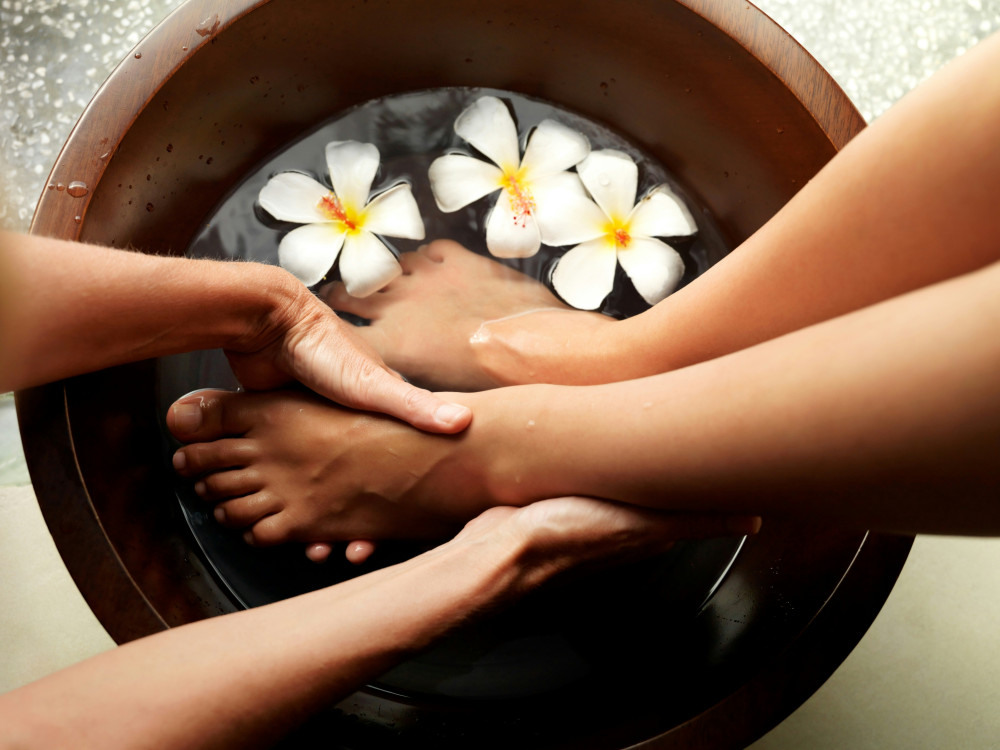
- Foot soak – Soak your feet in warm water for 10–15 minutes to soften the skin. Add a bit of Epsom salt or a mild soap for extra cleansing.
- Pumice stone or foot file – Gently buff away rough patches on damp skin. Avoid overdoing it, as removing too much skin can cause irritation.
- Electric foot file – A convenient option for many, offering even and controlled exfoliation.
After exfoliating, rinse and dry your feet thoroughly—especially between the toes—to prevent moisture buildup.
Step 2: Replenish Moisture Deeply
Once your skin is clean and smooth, it’s time to restore hydration. Here are some of the most effective types of products:
- Foot creams with urea – Urea helps bind moisture to the skin and softens calluses. Look for products containing 10–25% urea for best results.
- Overnight foot masks or balms – These thicker formulas work while you sleep. For an extra boost, wear cotton socks over them to lock in moisture.
- Natural oils – Coconut oil, shea butter, and almond oil are great natural options that nourish and protect the skin barrier.
For lasting results, apply moisturizer daily—ideally after a shower or bath, when your skin is most receptive.
Step 3: Prevent Dryness with Good Habits
Once your heels are soft again, maintaining them is key. A few small lifestyle changes can make a big difference:
- Choose closed shoes or sandals with heel support to reduce friction.
- Avoid long, hot showers, which can strip your skin of natural oils.
- Stay hydrated and eat a balanced diet—your skin needs moisture from within.
- Wear cotton socks instead of synthetic materials to allow your feet to breathe.
A few minutes of care each day can prevent dryness from returning.
Ingredients That Make a Difference
The foot care aisle is full of options, but certain ingredients stand out for their proven effectiveness:
- Urea – Deeply hydrating and softening.
- Lactic acid – Gently exfoliates dead skin cells.
- Glycerin and panthenol – Soothe and moisturize sensitive skin.
- Tea tree oil – Offers mild antibacterial benefits and helps control odor.
If you have sensitive skin, opt for fragrance-free and hypoallergenic formulas to avoid irritation.
When to Seek Professional Help
If your heels are severely cracked, bleeding, or painful, it’s best to consult a podiatrist. They can safely remove thickened skin and recommend appropriate treatments. People with diabetes or circulation issues should be especially cautious and avoid self-treating deep cracks.
Læs også:




Soft Heels All Year Long
Dry heels don’t have to be a constant struggle. With the right combination of exfoliation, hydration, and preventive care, you can keep your feet smooth and healthy throughout the year. It only takes a few minutes a day—and the right products—to make a lasting difference.
So next time you reach for your hand cream, don’t forget your feet. They carry you everywhere—and they deserve the same care.
Læs også: