Eat Your Way to Healthier Hair: How Your Diet Affects Hair Growth

Eat Your Way to Healthier Hair: How Your Diet Affects Hair Growth
Shiny, strong hair isn’t just about the right shampoo or salon treatments—it starts from within. The health of your hair depends largely on what you eat. The nutrients you consume help your body produce new hair cells, maintain a healthy scalp, and keep your strands resilient. Here’s how your diet can influence hair growth and which foods can make a real difference.
Your Hair as a Reflection of Your Health
Hair is primarily made of keratin, a protein your body produces. To build keratin, your body needs a steady supply of amino acids, vitamins, and minerals. When you’re not getting enough nutrients, your body prioritizes vital organs like the heart and brain, and your hair is often one of the first places to show signs of imbalance. Dry, brittle, or thinning hair can be a signal that your body is missing something important.
A balanced diet rich in protein, iron, zinc, biotin, and omega-3 fatty acids is essential for healthy hair growth.
Læs også:

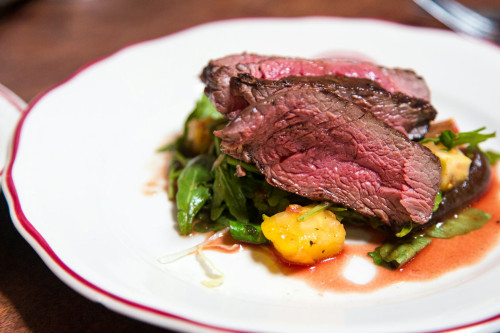
Protein – The Building Block of Every Strand
Since hair is made mostly of protein, getting enough of it in your diet is crucial. Too little protein can slow hair growth or cause hair to shed more quickly than normal.
Good sources of protein include:
- Lean meats like chicken and turkey
- Fish and shellfish
- Eggs
- Legumes such as lentils and beans
- Nuts and seeds
Adding an egg to your breakfast or a handful of almonds as a snack can be small but effective steps toward stronger hair.
Iron and Zinc – Small Minerals, Big Impact
Iron deficiency is one of the most common causes of hair loss, especially among women. Iron helps red blood cells deliver oxygen to hair follicles, and without enough oxygen, hair growth can slow down.
Zinc supports cell renewal and helps produce sebum, the natural oil that keeps your scalp moisturized and protects hair from dryness. You can find iron and zinc in:
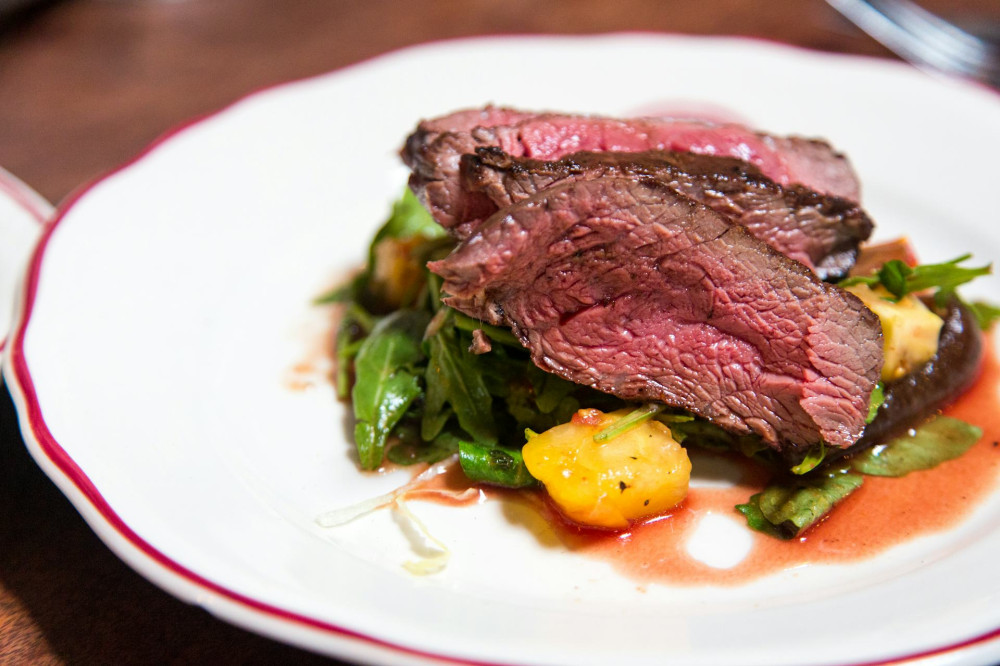
- Red meat and liver
- Whole grains
- Pumpkin seeds
- Eggs
- Spinach and other leafy greens
Pro tip: Pair iron-rich foods with vitamin C sources like oranges or bell peppers to boost iron absorption.
Biotin and B Vitamins – Energy for Your Hair Follicles
Biotin, also known as vitamin B7, is one of the most talked-about nutrients for hair growth. It strengthens both hair and nails and helps your body process fats and proteins—two key components for healthy hair.
B vitamins in general support a healthy scalp and a stable hair growth cycle. You’ll find them in:
- Eggs and dairy products
- Whole grains
- Avocados
- Nuts
- Green vegetables
While biotin supplements are popular, most people can get enough through a balanced diet.
Omega-3 Fatty Acids – Moisture from Within
Omega-3 fatty acids are well known for their benefits to heart and skin health, but they also play a vital role in hair health. They help keep your scalp supple and reduce dryness and irritation, which can lead to dandruff and weaker hair growth.
Good sources of omega-3s include:
- Fatty fish like salmon, mackerel, and sardines
- Flaxseeds and chia seeds
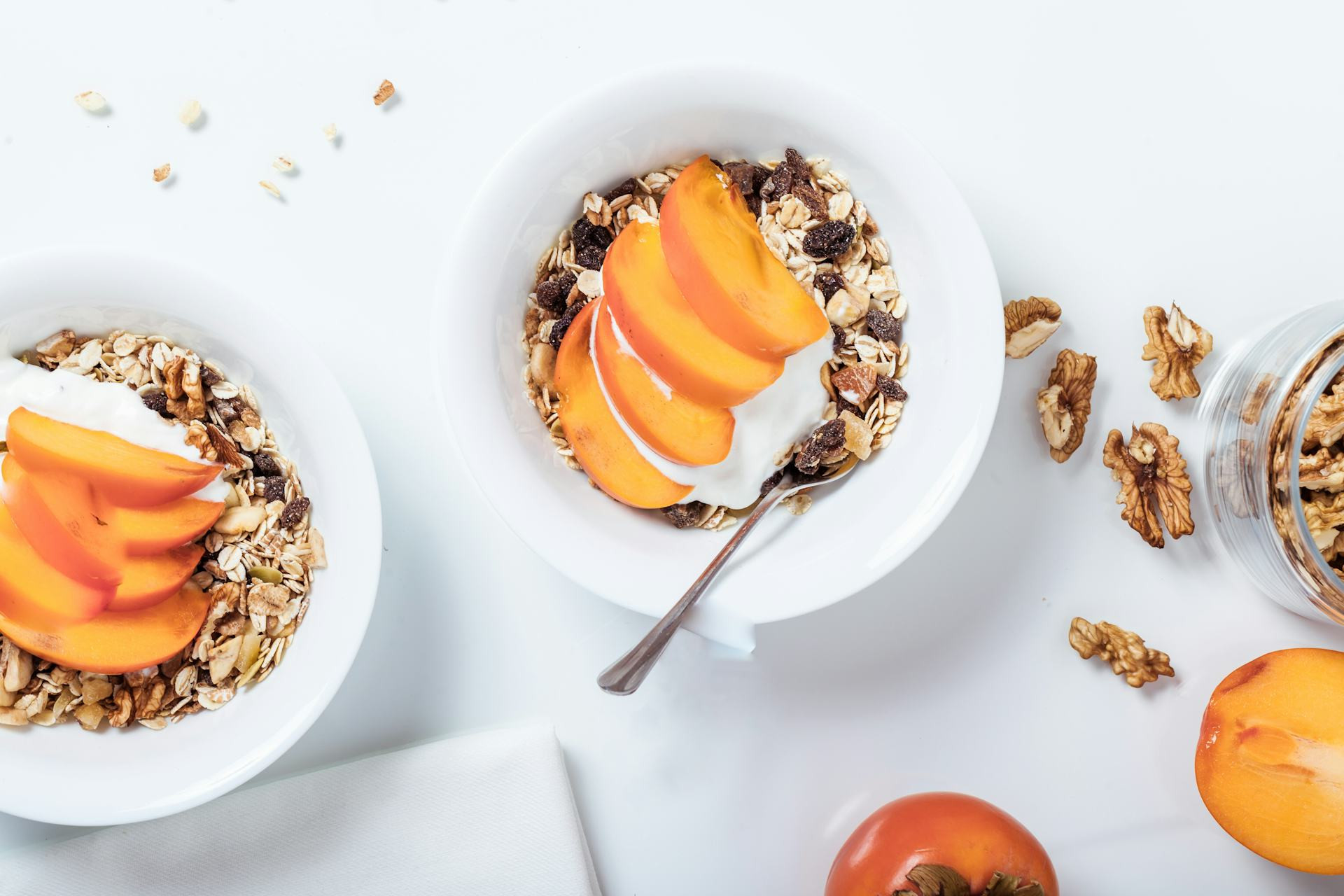
- Walnuts
If you don’t eat fish, a plant-based omega-3 supplement can be a good alternative.
Hydration and Balance – The Overlooked Essentials
Even the best diet won’t work if your body is dehydrated. Hair needs moisture from the inside out to stay elastic and shiny. Drink plenty of water throughout the day, and try to limit coffee and alcohol, which can have a drying effect.
Remember, hair growth takes time. New strands grow only about half an inch per month, so the results of a healthier diet will appear gradually over several months.
When Diet Isn’t Enough
If you’re experiencing significant hair loss, it’s worth checking in with your healthcare provider. Hormonal changes, stress, or underlying medical conditions can also affect hair growth. While nutrition can support recovery, it may not be enough on its own if there’s a medical cause.
Nourish Your Hair, Nourish Your Body
Healthy hair begins with a healthy body. By eating a varied diet, staying hydrated, and giving your body the nutrients it needs, you’ll not only strengthen your hair but also improve your skin, nails, and overall well-being. It’s not about quick fixes—it’s about building balance, one bite at a time.
Læs også: