Does Your Hair Need Some TLC? How to Recognize the Signs of Dryness and Damage


Does Your Hair Need Some TLC? How to Recognize the Signs of Dryness and Damage
Everyday life can take a toll on your hair — from heat styling and coloring to sun exposure and even the water you wash it with. Over time, these factors can leave your hair looking dull, dry, and fragile. But how do you know when your hair is truly in need of some extra care? Here’s how to spot the signs of dryness and damage — and what you can do to bring your hair back to life.
When Your Hair Loses Its Shine
One of the first signs of dryness is a lack of shine. Healthy hair reflects light and feels smooth to the touch, while dry hair often looks flat and lifeless. This happens when the outer layer of the hair — the cuticle — becomes rough or lifted, preventing light from reflecting evenly.
If your hair looks dull even after washing and styling, it may be craving moisture. Try using a hydrating hair mask or a nourishing oil treatment once or twice a week to help restore softness and shine.
Split Ends and Breakage
Split ends are a classic indicator of damage. They occur when the protective outer layer of the hair wears away, causing the strand to fray. Frequent use of hot tools, chemical treatments, or even everyday wear and tear can lead to this problem.
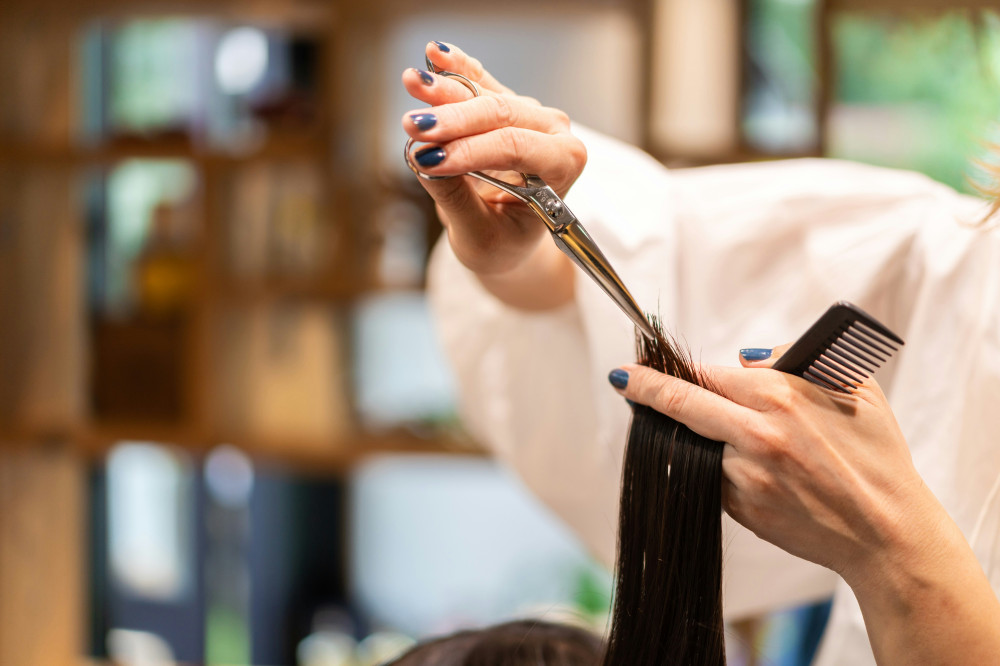
If you notice your ends splitting or your hair breaking easily, it’s time for a trim. While it might seem counterintuitive if you’re trying to grow your hair out, regular trims prevent damage from traveling up the strand and keep your hair looking healthy.
Rough Texture and Tangles
Healthy hair feels silky and smooth when you run your fingers through it. If it feels rough or tangles easily, that’s a sign the cuticle is damaged. When the cuticle is raised, hair strands catch on each other, leading to more breakage and frizz.
To help smooth things out, use a conditioner rich in nourishing ingredients like argan oil, coconut oil, or shea butter. Avoid brushing your hair when it’s soaking wet — that’s when it’s most vulnerable to breakage. Instead, gently detangle with a wide-tooth comb after applying conditioner.
A Dry or Itchy Scalp
We often focus on the hair itself, but a healthy scalp is the foundation for strong, shiny hair. If your scalp feels tight, itchy, or flaky, it may be dehydrated. This can happen from washing too often, using harsh shampoos, or exposure to dry indoor air.
Switch to a gentle, sulfate-free shampoo and try massaging your scalp with a lightweight oil once a week. This not only helps restore moisture but also boosts circulation, supporting healthy hair growth.
When Styling Becomes Too Much
Blow dryers, flat irons, and curling wands can create beautiful styles, but overuse can strip moisture and weaken your hair. Heat pulls water out of the hair shaft, leaving it brittle and prone to breakage. Always use a heat protectant spray before styling, and give your hair regular breaks to air-dry.
Coloring, bleaching, and chemical treatments can also cause damage. Try spacing out your salon visits and use products designed for color-treated hair to help maintain both your shade and your hair’s strength.
How to Bring Your Hair Back to Life
Once you’ve identified the signs of dryness and damage, it’s time to focus on repair and prevention. Here are a few simple habits that can make a big difference:
- Use a deep conditioning mask once or twice a week to replenish moisture.
- Rinse with cool water after washing to help seal the cuticle and boost shine.
- Avoid overwashing — two to three times a week is enough for most hair types.
- Eat a balanced diet rich in protein, vitamins, and healthy fats to support hair health from within.
- Protect your hair from the sun — UV rays can dry and fade your hair, especially in summer.
With patience and consistent care, even dry or damaged hair can regain its softness, shine, and strength. It’s not about finding a miracle product — it’s about giving your hair the steady, loving care it deserves.
Læs også:


Healthy Hair Starts with Healthy Habits
Recognizing the signs of dryness and damage is the first step toward restoring your hair’s vitality. Listen to your hair — it often tells you what it needs. With the right products, gentle handling, and a balanced routine, you can enjoy hair that looks healthy, feels strong, and shines naturally.
Læs også: