Beauty with Precision: Technological Advances Behind Modern Cosmetic Treatments

Beauty with Precision: Technological Advances Behind Modern Cosmetic Treatments
Cosmetic treatments have evolved dramatically over the past few decades. Once associated primarily with surgery and lengthy recovery times, today’s procedures are often minimally invasive, highly precise, and tailored to the individual. Behind this transformation lies a wave of technological innovation that merges aesthetics with science—delivering results that look natural and feel safe.
From Scalpel to Laser – A New Era in Cosmetic Technology
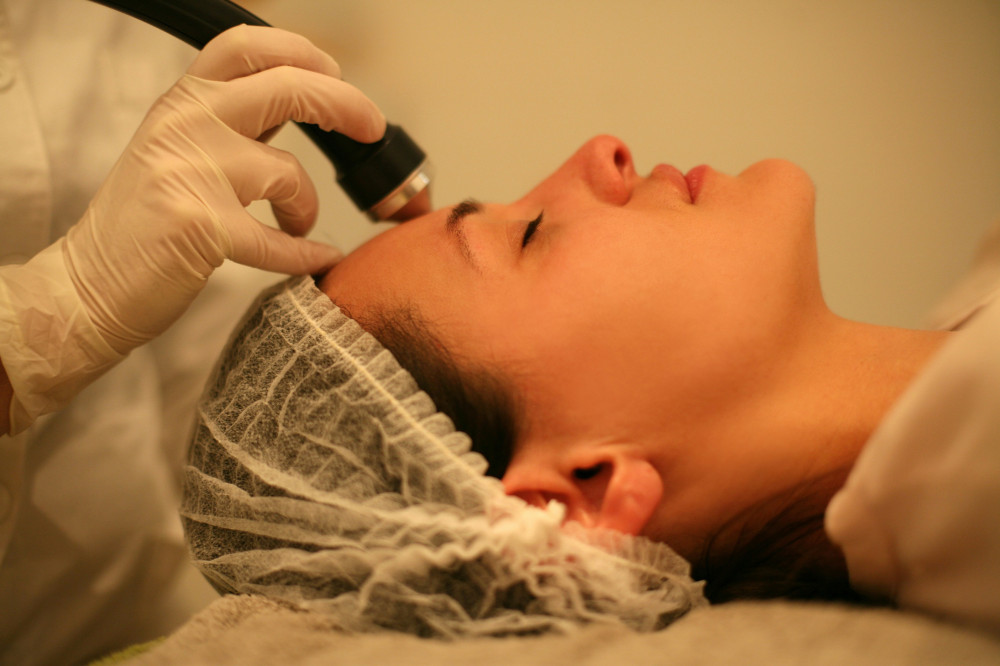
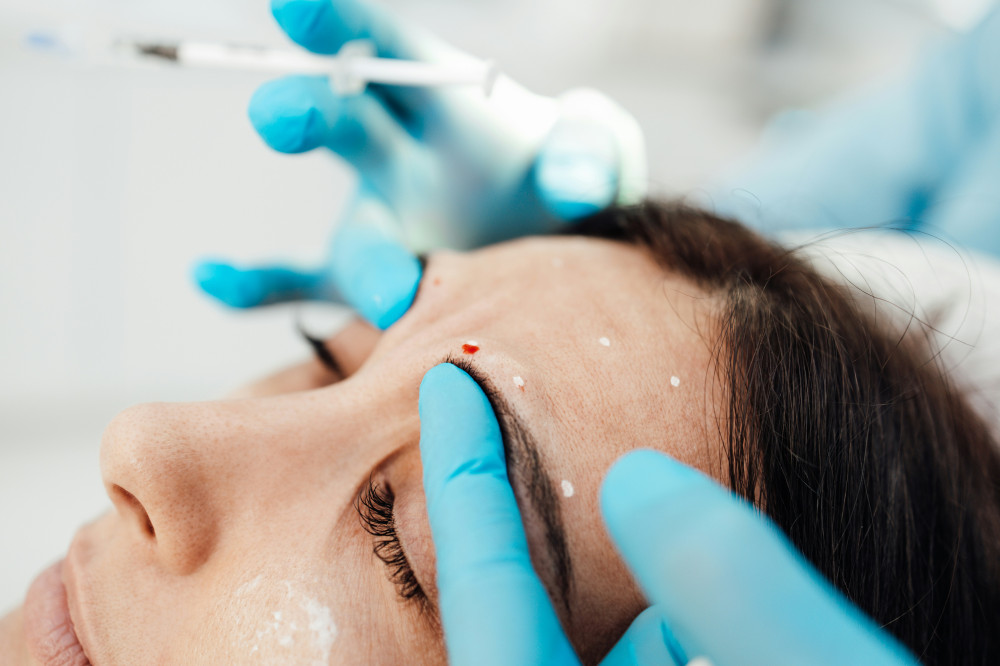
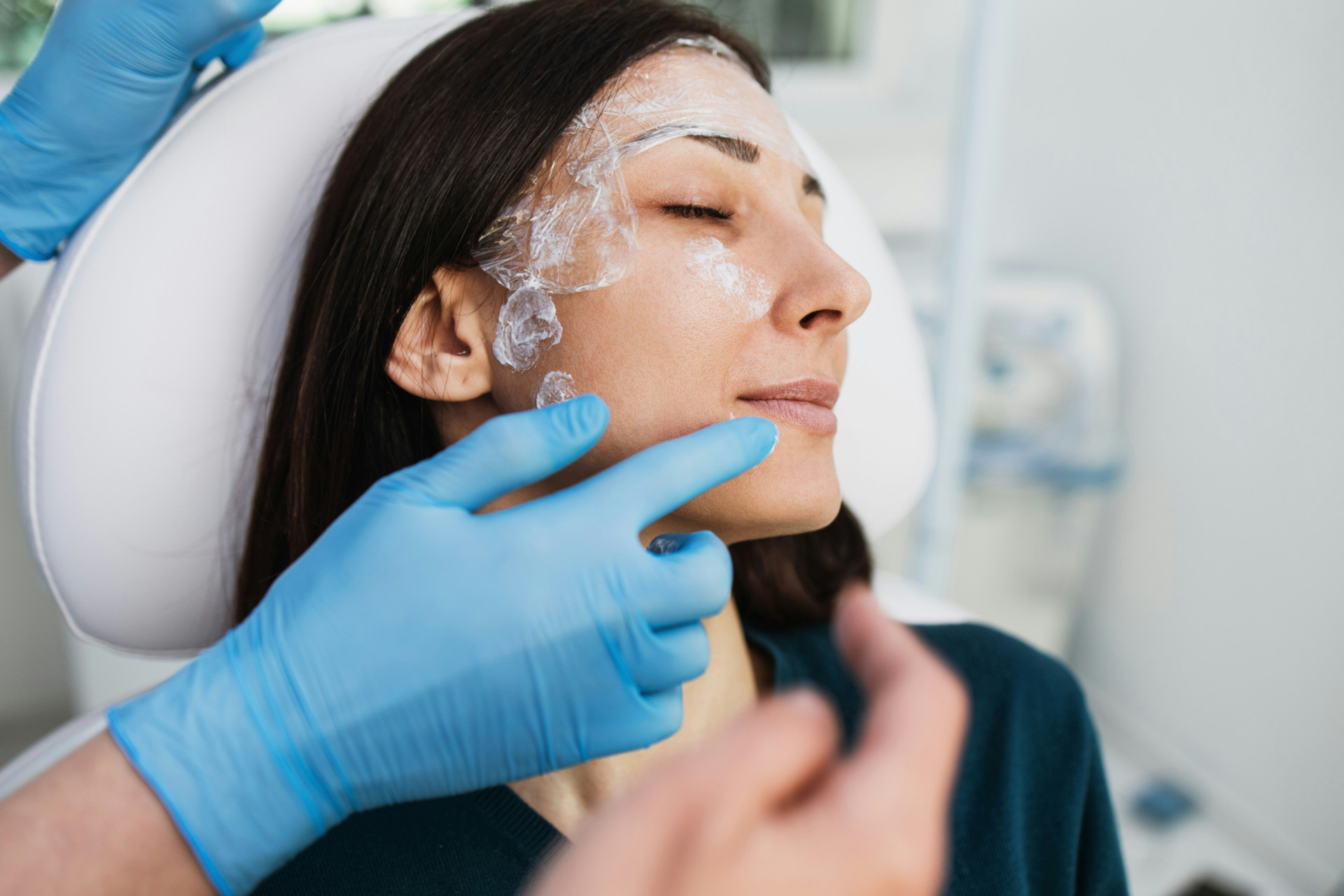
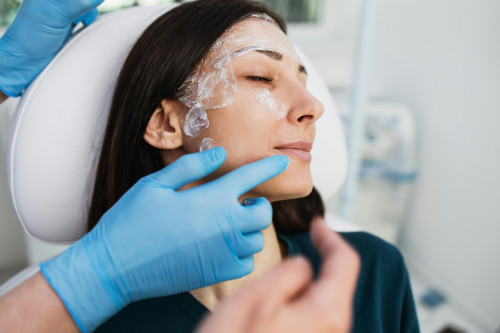
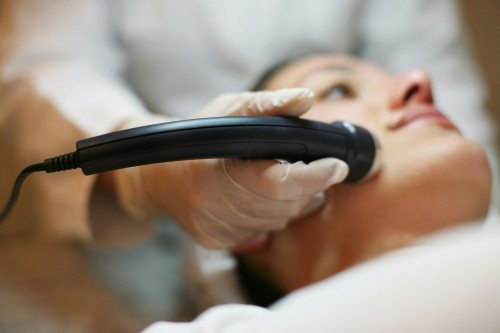
One of the most significant shifts in the beauty industry has been the move from traditional surgical methods to advanced technologies such as lasers, ultrasound, and radiofrequency. These tools allow practitioners to target deeper layers of the skin without damaging the surface.
- Laser treatments are now used for everything from hair removal and pigmentation correction to skin rejuvenation. The latest laser systems can be fine-tuned to match each patient’s skin type and concern, minimizing side effects and downtime.
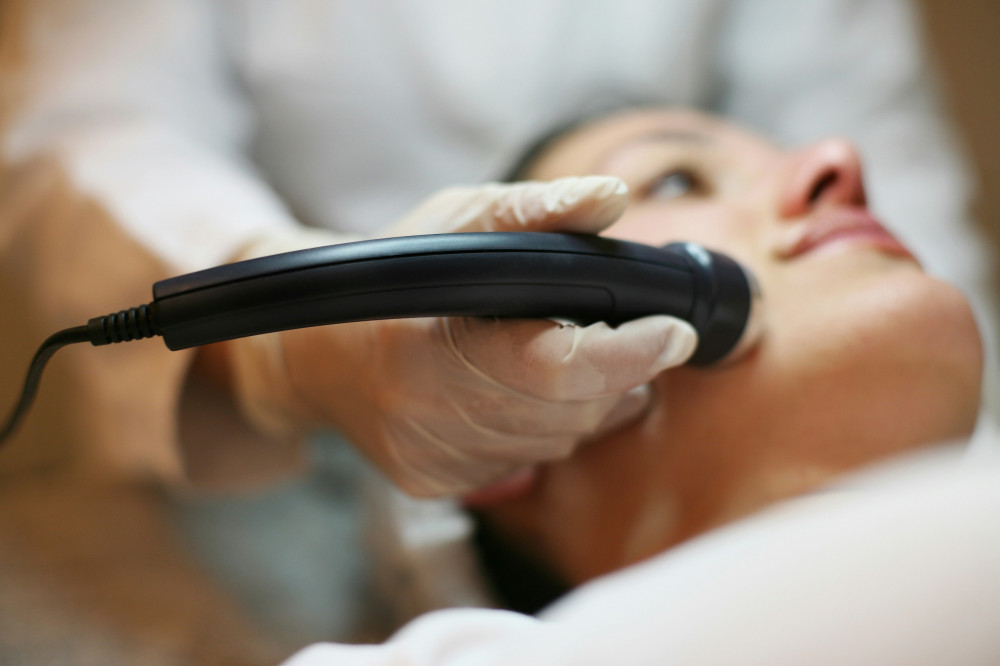
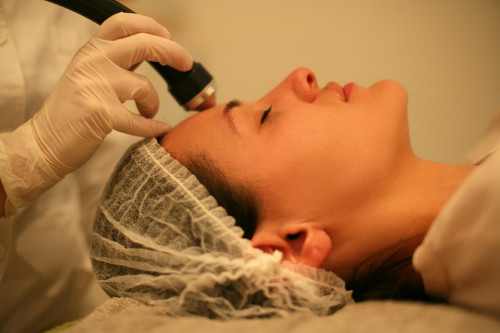
- Ultrasound technology, seen in treatments like Ultherapy, stimulates collagen production to lift and tighten the skin—no surgery required.
- Radiofrequency devices heat the deeper layers of tissue to boost elasticity and reduce wrinkles over time.
These innovations have made it possible to achieve noticeable results with minimal recovery—an essential factor for many Americans seeking to enhance their appearance without interrupting their busy lives.
Læs også:
Precision Through Digital Imaging and AI
Digital technology is playing an increasingly central role in cosmetic medicine. 3D imaging and advanced photo analysis allow practitioners to plan procedures with millimeter-level accuracy. For example, surgeons can now simulate the outcome of a rhinoplasty or filler treatment, giving patients a realistic preview before committing to the procedure.
This kind of virtual planning improves both safety and satisfaction, as patients and providers can align expectations in advance. Meanwhile, AI-driven diagnostic tools and digital records make it easier to track progress and adjust treatment plans over time, ensuring a truly personalized approach.
New Materials and Biotechnological Breakthroughs
The development of new materials has also revolutionized cosmetic treatments. Modern dermal fillers and botulinum toxin products are more biocompatible and naturally degradable, reducing the risk of complications. Researchers are also exploring biostimulatory substances that not only smooth wrinkles but also encourage the skin’s own regenerative processes.
In the realm of skincare and anti-aging, biotechnology is driving the creation of ingredients such as growth factors, peptides, and stem cell extracts. These components, derived from medical research, have been shown to improve skin texture, elasticity, and overall vitality.
Safety and Ethics at the Forefront
With technological progress comes a heightened focus on safety and ethics. In the United States, the FDA and professional organizations have established strict standards for training, certification, and product approval. Clinics are expected to maintain transparency and provide evidence-based treatments.
For patients, this means cosmetic procedures are safer and more predictable than ever before. Still, experts emphasize that technology cannot replace professional judgment—the best outcomes arise from the combination of advanced tools and skilled human expertise.
The Future: Personalized Beauty Powered by Data
The future of cosmetic treatments points toward even greater personalization. The integration of genetic testing, AI-based skin diagnostics, and data-driven treatment plans will allow practitioners to tailor interventions down to the cellular level.
Emerging fields such as nanotechnology and regenerative medicine promise to go beyond surface-level improvements, helping to restore and rejuvenate skin from within. The goal is no longer just to alter appearance, but to preserve and enhance the skin’s natural functions—with precision as the guiding principle.
Beauty and Technology in Harmony
Technological innovation has transformed the way we think about beauty. Where cosmetic procedures once focused on correction, they now emphasize enhancement and balance. With precision, knowledge, and respect for individuality, modern aesthetic medicine has become a field where science and artistry meet—empowering people to look and feel their best.
Læs også: